

Not all courses require work placement. Yet this is one of the biggest points of confusion for learners starting their journey.
You may have seen the term workplace observation and assumed it was something you must complete. Many learners think it is a mandatory step. However, the reality is far more flexible than that.

What Is Workplace Observation?
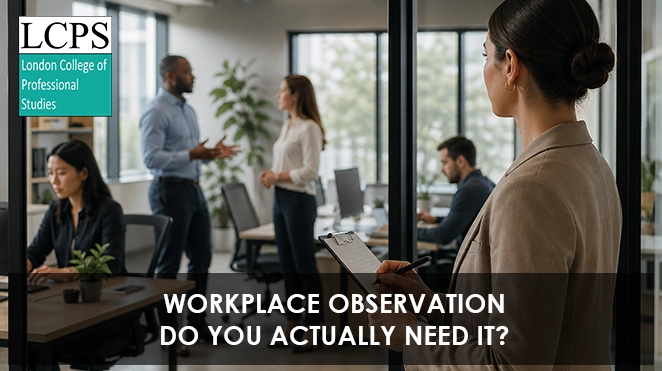
Workplace observation means being assessed in a real working environment. Instead of learning through theory alone, you demonstrate your skills in practice. This often means attending a school, nursery, or care setting, completing tasks, and being observed by a qualified assessor.
For some learners, this is exactly what they want. It builds confidence, provides real experience, and creates a direct link to the job they want. For others, especially those balancing work or family commitments, it can feel difficult to arrange.
This is where understanding your course options becomes crucial.
Which Courses Require Workplace Observation?
Certain qualifications, especially those leading directly into hands-on roles, are more likely to require workplace observation courses or practical assessment.
Childcare courses often involve working with children in real settings because interaction and safeguarding practices cannot be learned through theory alone.
Similarly, courses related to supporting teaching and learning are based around classroom experience. As a result, observation is often an important part of assessment.
Some health and social care qualifications also follow this model, particularly those focused on competency and practical performance.

Which Courses Do Not Require Workplace Observation?
Many courses are designed with flexibility in mind and do not require any workplace observation at all. These courses are usually assignment-based and can be completed fully online.
Learners study the material, complete written assignments, and progress at their own pace without attending a placement.
At LCPS, many courses fall into this category. Subjects such as psychology, theoretical counselling, business and management, and IT are all structured for remote study.
These flexible options are popular with learners who are working, changing careers, or managing other responsibilities.
Access to HE Diplomas and Workplace Observation
One of the best examples is the Access to Higher Education Diploma. Many people assume that because it leads to careers in healthcare or further study, it must include practical placement.
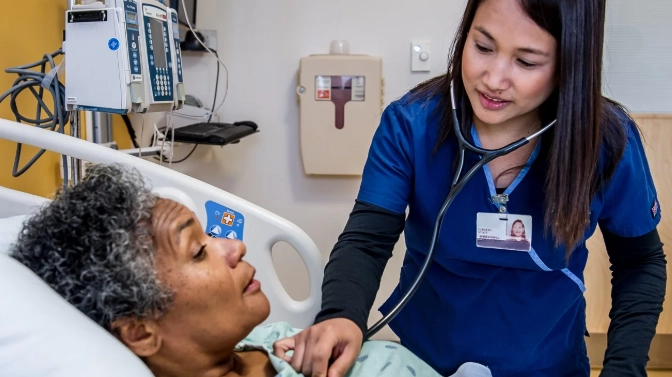
In fact, Access to HE diplomas in Nursing, Midwifery, and Medical Sciences are fully assignment-based.
There is no workplace observation required. Instead, these qualifications build the academic knowledge needed for university. Practical training takes place later as part of a degree.
This means learners can begin their journey towards careers such as nursing without immediate access to a healthcare setting.
How to Choose the Right Pathway
Choosing between courses with or without workplace observation is not about which option is better. It is about choosing the route that suits your current situation and long-term goals.
Some learners benefit from hands-on experience straight away. Others need a stepping stone that fits around their responsibilities.
Understanding this difference can make the whole process feel less overwhelming.
Instead of asking whether you are ready for workplace observation, ask whether your chosen pathway actually requires it.
If you are unsure which route suits you best, speaking to one of our professional course advisers can make all the difference. The right course should move you forward academically or professionally while fitting realistically into your life.