


Why Healthcare Education Is Becoming a Smarter Career Choice in 2026
Over the past year, the UK has seen a steady rise in unemployment, particularly affecting sectors such as retail, hospitality, and entry-level office roles.
For many students and working professionals, this has triggered an important question:
“Which careers are actually stable in the UK right now?”
One clear answer continues to stand out: healthcare.
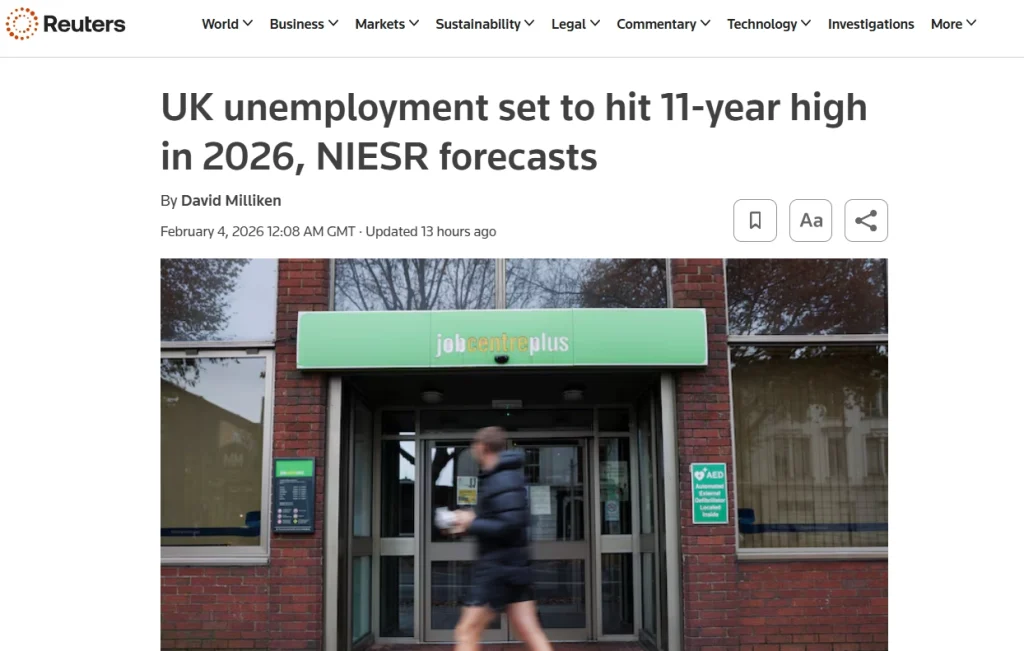
UK Unemployment Is Rising — But Demand for Healthcare Professionals Isn’t
While job losses increase across multiple industries, healthcare remains an exception.
- The UK has an ageing population
- Long-term workforce shortages continue in care, nursing, and midwifery
- Hospitals, care homes, and community services are still actively recruiting
This contrast has pushed many learners to rethink their career direction — moving away from oversaturated sectors and toward essential professions.
The key difference?
👉 Healthcare roles are needs-based, not trend-based.
The Problem: Not Everyone Has the Right Qualifications
Despite strong demand, many people struggle to enter healthcare because they:
- Don’t have A-levels
- Studied unrelated subjects years ago
- Are international students unfamiliar with UK entry routes
- Need a recognised academic pathway, not short courses
This is where Access to Higher Education Diplomas become critical.
A Practical Solution: Access to Higher Education Diploma (Nursing & Midwifery)

The Access to Higher Education Diploma (Nursing and Midwifery) is designed for learners who want to progress into UK university healthcare degrees without traditional qualifications.
Rather than repeating years of education, this pathway allows students to:
- Build academic readiness
- Gain subject-relevant healthcare knowledge
- Progress to nursing or midwifery degrees through UCAS routes
At London College of Professional Studies, this programme is offered with online access, making it suitable for both UK-based and international learners.
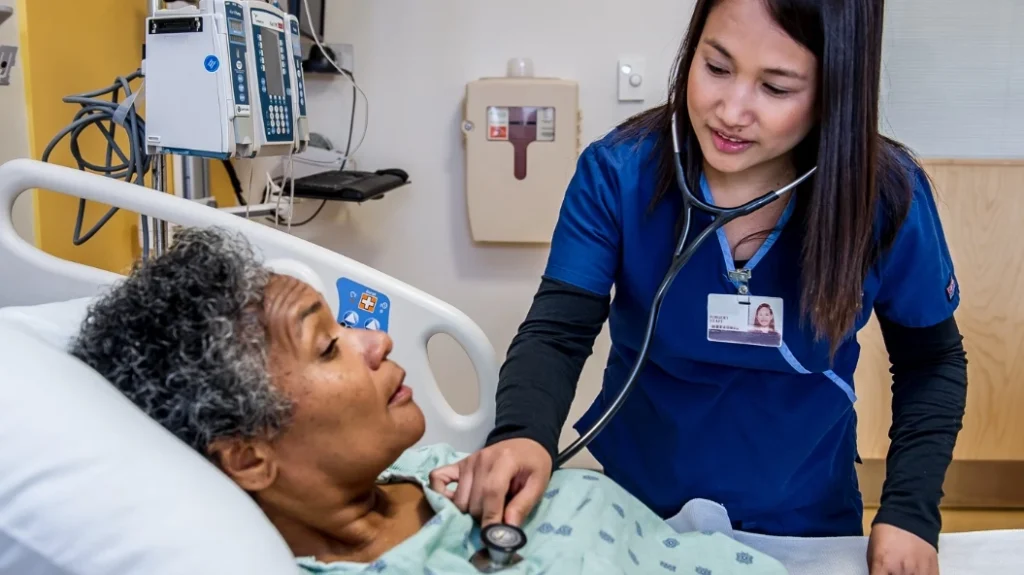
Why Healthcare Pathways Matter More During Economic Uncertainty
When unemployment rises, employers become more selective.
Healthcare institutions, however, continue to prioritise qualifications, competence, and progression potential.
Choosing a recognised healthcare education pathway can mean:
- Entering a sector with long-term demand
- Avoiding repeated job instability
- Building a career aligned with the NHS and wider health services
- Creating a future-proof professional profile
In uncertain economies, essential skills outperform general experience.
From Education to Employment: The Bigger Picture
It’s important to be clear:
- The Access Diploma does not make you a nurse or midwife
- It opens the door to university education
- University degrees then lead to professional registration and employment
This step-by-step pathway is exactly why healthcare education remains resilient even during economic downturns.
Final Thoughts: Stability Is a Strategy
Rising unemployment doesn’t mean fewer opportunities – it means choosing pathways with intention.
Healthcare education isn’t just about compassion – it’s about relevance, recognition, and resilience.
For many learners in 2026, the smartest move isn’t chasing the next job – it’s investing in the right qualification.