

If you are planning to work in the UK health and social care sector, understanding CQC expectations and choosing the right qualifications is essential. While compassion and commitment are crucial, employers and regulators also expect staff to be properly trained, competent, and continuously developing their skills.
What Is CQC and Why Does It Matter?
The Care Quality Commission (CQC) is the independent regulator of health and adult social care services in England. Its responsibility is to ensure that registered providers deliver safe, effective, caring, responsive, and well-led services.
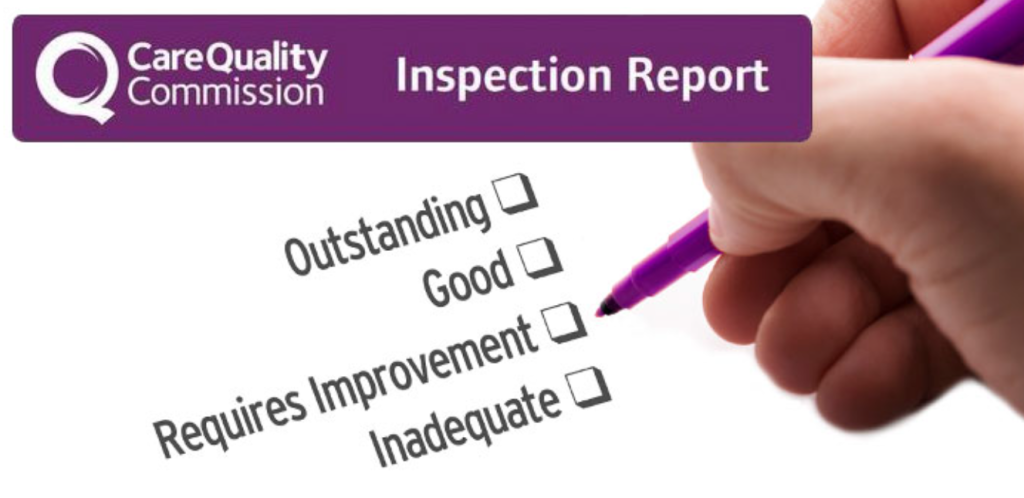
Rather than issuing qualifications, the CQC monitors whether organisations employ suitable staff and provide the training and support needed for high-quality care. During inspections, providers must demonstrate that their workforce is competent, appropriately trained, and capable of meeting the needs of the people they support.
This means your qualification choices directly affect employability and compliance.
Does CQC Require Specific Qualifications?
CQC does not mandate one single qualification for all care roles. Instead, it assesses whether staff are:
- Properly trained for their role
- Competent to deliver care safely
- Supported through induction and continuous training
However, in practice, most employers expect recognised UK-regulated qualifications, especially for career progression and senior roles.
Common expectations include:
- Completion of the Care Certificate or equivalent foundational training
- Level 2 or Level 3 qualifications for frontline care roles
- Level 5 or higher qualifications for supervisory or management positions
Choosing the right course can significantly strengthen your position during recruitment and inspections.
The Care Certificate
The Care Certificate is widely recognised as the standard induction programme for new care workers. Although it is not a regulated qualification, it helps ensure new employees can work safely and confidently before carrying out duties independently.
The programme introduces essential areas such as:
- Understanding your role
- Person-centred care
- Communication
- Equality and diversity
- Safeguarding adults and children
- Duty of care
- Health and safety
- Infection prevention and control
- Privacy and dignity
- Basic life support
- Mental health awareness
- Handling information
- Fluids and nutrition
Employers assess both knowledge and practical competence before staff work without supervision.
Health and Social Care Qualifications That Align with CQC Expectations
Entry-Level and Foundation Qualifications
For individuals new to the care sector or changing careers, Level 2 qualifications provide essential knowledge in:
- Safeguarding adults
- Duty of care
- Health and safety
- Communication in care settings
- Equality, diversity, and inclusion
These qualifications support CQC expectations around safe recruitment and effective induction.
Level 3 Diplomas in Adult Health and Social Care
Level 3 qualifications are widely recognised across the sector and are suitable for:
- Care Assistants
- Senior Care Workers
- Support Workers
- Healthcare Assistants
They demonstrate a deeper understanding of care principles, legislation, and practical application, which is highly valued by employers and inspectors.
Leadership and Management Qualifications (Level 5)
For those aiming to become:
- Team Leaders
- Care Managers
- Registered Managers
- Care Service Owners
Level 5 Health and Social Care qualifications are often essential. These courses focus on leadership, service quality, compliance, and operational management, all of which are key areas assessed by CQC.
Role-Specific Training
In addition to recognised qualifications, employers may provide specialist training depending on the services they offer.
Examples include:
- Medication administration
- Moving and handling
- Dementia awareness
- Autism awareness
- Learning disabilities
- Mental Capacity Act and DoLS
- Fire safety
- First aid and basic life support
- Food hygiene
- Diabetes awareness
- Catheter care
- PEG feeding
- End-of-life care
The training provided should reflect the responsibilities of each role and the needs of the people receiving care.
Why Competence Matters More Than Certificates
Holding a qualification alone does not guarantee high-quality care. The CQC places significant emphasis on whether staff can apply their knowledge effectively in real workplace situations.
Providers should be able to demonstrate that employees can:
- Deliver safe and person-centred care
- Follow organisational policies and procedures
- Protect vulnerable adults
- Communicate effectively with colleagues and service users
- Respond appropriately during emergencies
- Maintain professional standards
Competence is typically assessed through supervision, workplace observations, regular reviews, and practical assessments.
Continuing Professional Development
Learning should not stop once a qualification has been achieved. Ongoing professional development helps staff remain up to date with changing legislation, best practice, and workplace procedures.
Examples of CPD activities include:
- Annual refresher training
- Competency reviews
- Supervision meetings
- Performance appraisals
- Reflective practice
- Clinical or specialist updates
Continuous learning benefits both care professionals and the people they support.
How London College of Professional Studies (LCPS) Can Help in CQC-Aligned Career Pathways
Starting or advancing your career in adult social care requires the right combination of knowledge, practical understanding, and recognised qualifications. At London College of Professional Studies (LCPS), we are committed to helping individuals gain the skills and confidence needed to succeed in CQC-regulated care settings.
Our flexible learning programmes are designed to fit around work and personal commitments, making it easier for both new and experienced care professionals to continue their education without disrupting their careers. Whether you are taking your first step into the sector or preparing for a supervisory or management role, LCPS offers qualifications that support your professional development.
By studying with LCPS, you can benefit from:
- Industry-recognised qualifications that align with the knowledge and skills expected within the adult social care sector.
- Flexible online learning, allowing you to study at your own pace from anywhere.
- Dedicated tutor and assessor support throughout your learning journey.
- Practical, career-focused content designed to help you apply your knowledge confidently in the workplace.
- Clear progression pathways, enabling you to move from entry-level care roles to senior and leadership positions.
- A commitment to quality education, helping you develop the competence, professionalism, and confidence valued by employers and expected within CQC-regulated services.
At LCPS, our goal is not only to help you achieve a qualification but also to prepare you for a successful and rewarding career in adult social care. By developing your knowledge, practical skills, and professional competence, you will be better equipped to meet employer expectations, deliver high-quality person-centred care, and progress within one of the UK’s most rewarding sectors.
Childcare and Education Qualifications Under CQC Awareness
While CQC primarily regulates adult health and social care and certain children’s services, childcare professionals are also expected to meet strict safeguarding, welfare, and competency standards.
LCPS childcare and education courses support learners aiming to work in:
- Early Years settings
- Childcare services
- Education support roles
They focus on child development, safeguarding, professional practice, and communication, ensuring learners meet employer expectations and regulatory standards.
Career Progression in Adult Care
The adult social care sector offers clear opportunities for career development. A typical pathway may include:
- Care Assistant
- Support Worker or Senior Care Worker
- Team Leader
- Deputy Manager
- Registered Manager
- Operations or Area Manager
As responsibilities increase, higher-level qualifications and leadership experience become increasingly important.
Why Employers Value CQC-Relevant Qualifications
From an employer’s perspective, hiring qualified staff helps to:
- Reduce compliance risks during inspections
- Improve service quality and outcomes
- Demonstrate effective staff training and development
- Meet Regulation 18 (Staffing) and Regulation 19 (Fit and Proper Persons) requirements
For learners, this translates into:
- Better job opportunities
- Higher chances of promotion
- Increased professional credibility
- Long-term career stability in a regulated sector
Choosing the Right Course for Your Career Goals
Before enrolling, consider:
- Are you entering the care sector for the first time?
- Are you already working and aiming for promotion?
- Do you plan to move into management or leadership?
LCPS offers guidance to help learners select qualifications that align with career ambitions, employer expectations, and CQC standards.